Loading...
Serving Tyler, TX and surrounding areas. (430) 247-0018
Tyler's clay soil shifts every wet season and dry spell - and your floors show it. We level, correct, and resurface concrete slabs without tearing them out, so your floor is flat, stable, and ready for what goes on top.
Tyler's clay soil shifts every wet season and dry spell - and your floors show it. We level, correct, and resurface concrete slabs without tearing them out, so your floor is flat, stable, and ready for what goes on top.
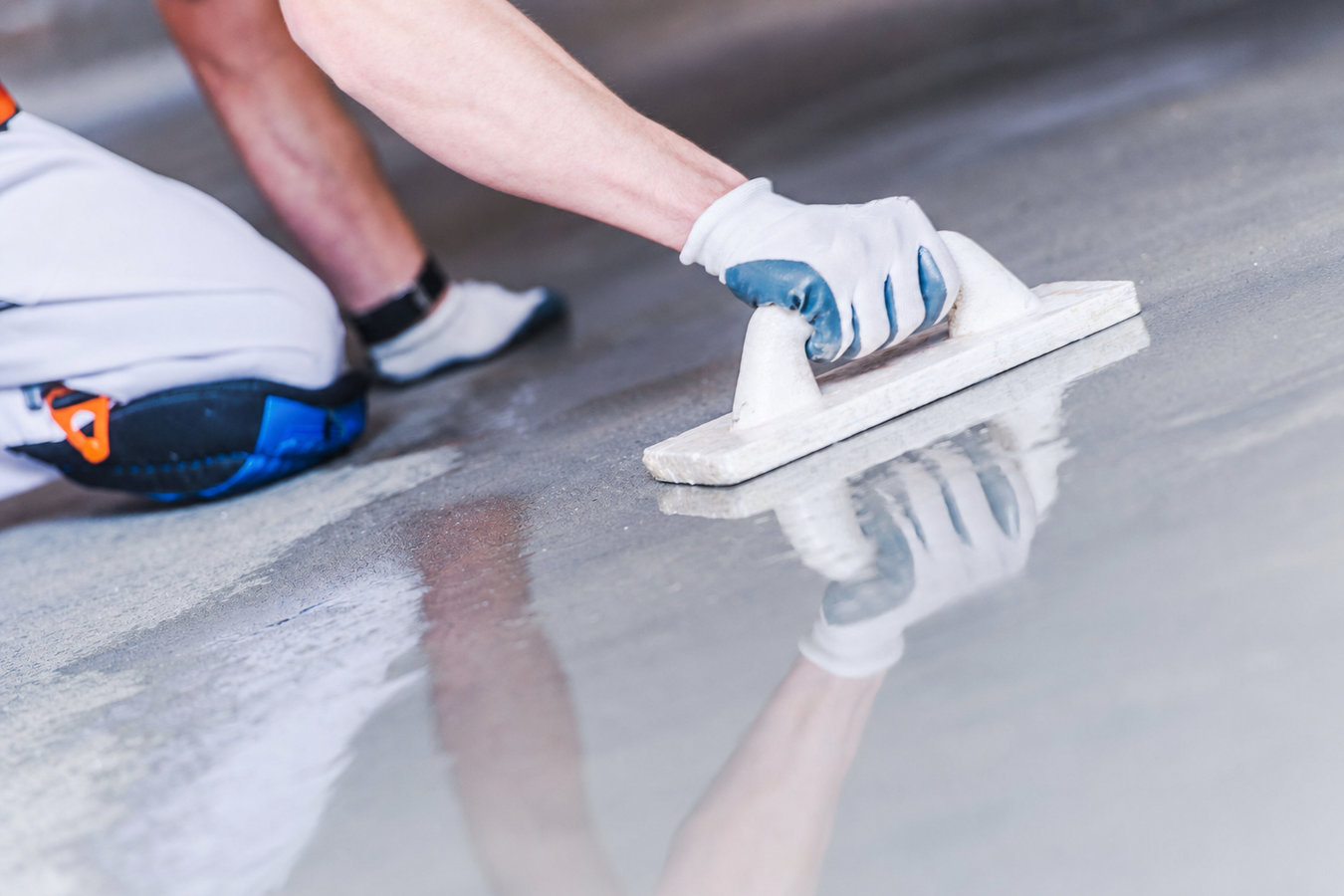
Self-leveling concrete in Tyler, TX is a specially mixed material that flows into low spots and levels itself out without demolishing the existing slab - most single-room or garage floor jobs are completed in one to two days, with foot traffic allowed within a few hours of the pour.
Tyler homeowners deal with a specific problem: the region's clay soil expands when wet and shrinks when dry, repeatedly, season after season. That movement is what causes concrete floors to dip, crack, and become uneven over time - and it is why standard patching compounds tend to fail. Self-leveling concrete is engineered to fill and correct those problem areas in a single pour. It can also serve as the base for flooring that requires a flat surface - tile, luxury vinyl, and epoxy coatings all need a level slab to look right and stay put.
Overlays work differently - instead of correcting height issues, they are applied over a sound existing surface to change its appearance or add protection. If your floor also needs a decorative or protective finish after leveling, our concrete resurfacing and overlay service handles that next step. For outdoor spaces like pool surrounds that need both leveling and a slip-resistant finish, we coordinate with our pool deck coatings and resurfacing service for a complete solution.
If water pools in one spot on your garage floor after rain, or you can feel the floor tilting underfoot, your slab has settled unevenly. This is one of the most common issues Tyler homeowners report - the clay soil beneath the slab has shifted over time, pulling sections of the floor down with it. Self-leveling concrete is designed specifically to correct this kind of uneven surface.
If you have replaced tile or laminate flooring more than once and it keeps cracking or lifting at the edges, the problem is almost certainly the uneven concrete underneath - not the flooring itself. Laying new flooring over a wavy slab is like putting fresh paint on a crumbling wall. A self-leveling pour creates the flat, stable base that new flooring needs to stay in place.
Years of vehicle traffic, oil drips, and East Texas weather can leave a garage or patio slab looking rough and permanently stained. If pressure washing and cleaning products are not making a dent, a concrete overlay can give you a fresh, durable surface without tearing out the old slab. This is a popular option in Tyler neighborhoods where homeowners are updating older homes.
If you are converting a garage or unfinished room into living space, the raw concrete slab almost certainly is not flat or smooth enough for flooring to go down properly. A self-leveling pour is the standard first step in these projects - it gives you the clean, level surface that tile, luxury vinyl, or epoxy coatings require to look good and last.
Every job starts with a moisture test and a thorough surface assessment. In Tyler's humid climate, moisture coming up through a slab is one of the most common reasons overlays and self-leveling jobs fail prematurely - and skipping this test is one of the clearest signs a contractor is cutting corners. Once we know what we are dealing with, we grind, clean, and prime the surface so the new material bonds instead of floating. We fill cracks and stabilize any areas that could cause problems later. Only then does the pour or overlay application happen. The American Concrete Institute at concrete.org identifies surface preparation as the single most critical factor in overlay performance - a standard we take seriously on every project.
Once the pour or overlay is applied and cured, we seal the finished surface - a step that is essential in East Texas, where UV exposure and ambient humidity would otherwise degrade an unsealed surface within a few seasons. Our concrete resurfacing and overlay service handles decorative finishes on top of a leveled base, and our pool deck coatings and resurfacing service addresses outdoor wet-environment applications where both leveling and slip resistance matter. We give you a written estimate covering prep, materials, and sealing before any work begins, so there are no surprises on the final invoice.
Corrects dips, slopes, and uneven spots in garage floors, interior rooms, and any space where a flat base is needed before new flooring goes down.
Applied over a sound existing surface and finished with staining, stamping, or polishing for homeowners who want a new look without demolition.
For slabs with active moisture coming up from below - addresses the problem before new material goes down so the overlay does not fail prematurely.
Levels a sunken or uneven garage slab and applies a protective or decorative finish, combining both steps in one coordinated job.
Prepares a concrete slab for tile, luxury vinyl, or other finish flooring that needs a flat, stable base to install correctly and stay in place.
For living spaces, basements, or bonus rooms where the raw slab needs a smooth, finished surface before furniture and daily use.
The East Texas region around Tyler sits on some of the most active clay soil in the state. That clay swells when it gets wet and shrinks when it dries out - a cycle that repeats with every rain and every dry stretch through the year. Over time, that movement pushes and pulls on concrete slabs from below, which is why so many homes in Tyler - particularly in older neighborhoods built in the 1960s through 1980s - develop dips, cracks, and uneven floors that simple patching cannot fix. Many homeowners in areas like Whitehouse have dealt with these exact conditions, where a settling slab made new flooring impossible to install correctly until the base was properly leveled first.
Tyler also averages around 47 inches of rain per year, and that moisture works its way into and under concrete slabs year-round - especially in older homes with original slabs that were not installed with modern moisture barriers. This is why a moisture test before any self-leveling or overlay work is not optional here - it is the step that determines whether the job holds up or fails in the first season. Homeowners throughout the area, including those in Lindale, face the same combination of clay soil movement and ambient moisture that makes proper preparation the most important part of any concrete flooring job in East Texas.
We ask a few quick questions about your floor - what room or area, what the surface looks like now, and what you want the result to be. We respond within 1 business day and schedule a free in-person visit rather than guessing on the phone.
We walk the floor with you, check for unevenness and cracks, and test for moisture coming up through the slab - especially important in Tyler's humid climate. After the assessment, you get a written estimate covering prep, materials, and sealing before any work begins.
We grind, clean, and prime the surface, fill cracks, and address any moisture issues before a single drop of new material goes down. In Tyler's summer heat, pours are typically scheduled for early morning. Most jobs are completed in one to two days of active work.
After the material cures - 24 to 72 hours for most projects - we apply a protective sealer. We walk you through the finished floor, explain when it is safe for furniture and vehicles, and tell you exactly how to care for it going forward.
Moisture tested, written quote before we start. No obligation.
(430) 247-0018In Tyler's humid climate, skipping a moisture test before a self-leveling pour or overlay is one of the most common ways jobs fail in the first year. We test every slab before any material goes down - if there is moisture coming up, we address it first. That one step is what separates a floor that holds from one you are calling a contractor about six months later.
Tyler's clay soil is unusually active - it shifts more than most homeowners realize, and that movement affects how concrete floors behave over time. We understand what those conditions do to a slab and how to prep, pour, and seal in a way that accounts for them. That local knowledge shows up in the quality of the finished floor.
Surface preparation is the step that determines whether a self-leveling job lasts two years or ten. We grind, clean, prime, and stabilize every surface before the pour - not because it is faster, but because it is the only way the finished floor stays bonded through Tyler's seasonal temperature and moisture swings.
You get an itemized written quote covering prep, materials, sealing, and cleanup before any work begins. No vague estimates, no charges added after the job is underway. If we find something unexpected during prep that changes the scope, we stop and talk to you before proceeding.
Moisture testing, thorough prep, and a written price before work starts are the minimum standard for a self-leveling job in Tyler's climate. We treat them as the baseline, not as extras - and the floors we install reflect that.
Outdoor wet-environment concrete that needs both leveling and a slip-resistant sealed finish - a natural extension of interior leveling and overlay work.
Learn MoreOnce a slab is level and sound, a resurfacing overlay adds the decorative or protective finish that completes the project.
Learn MoreSpring and fall fill up fast in Tyler - get your free estimate on the calendar before the best installation windows close.