Loading...
Serving Tyler, TX and surrounding areas. (430) 247-0018
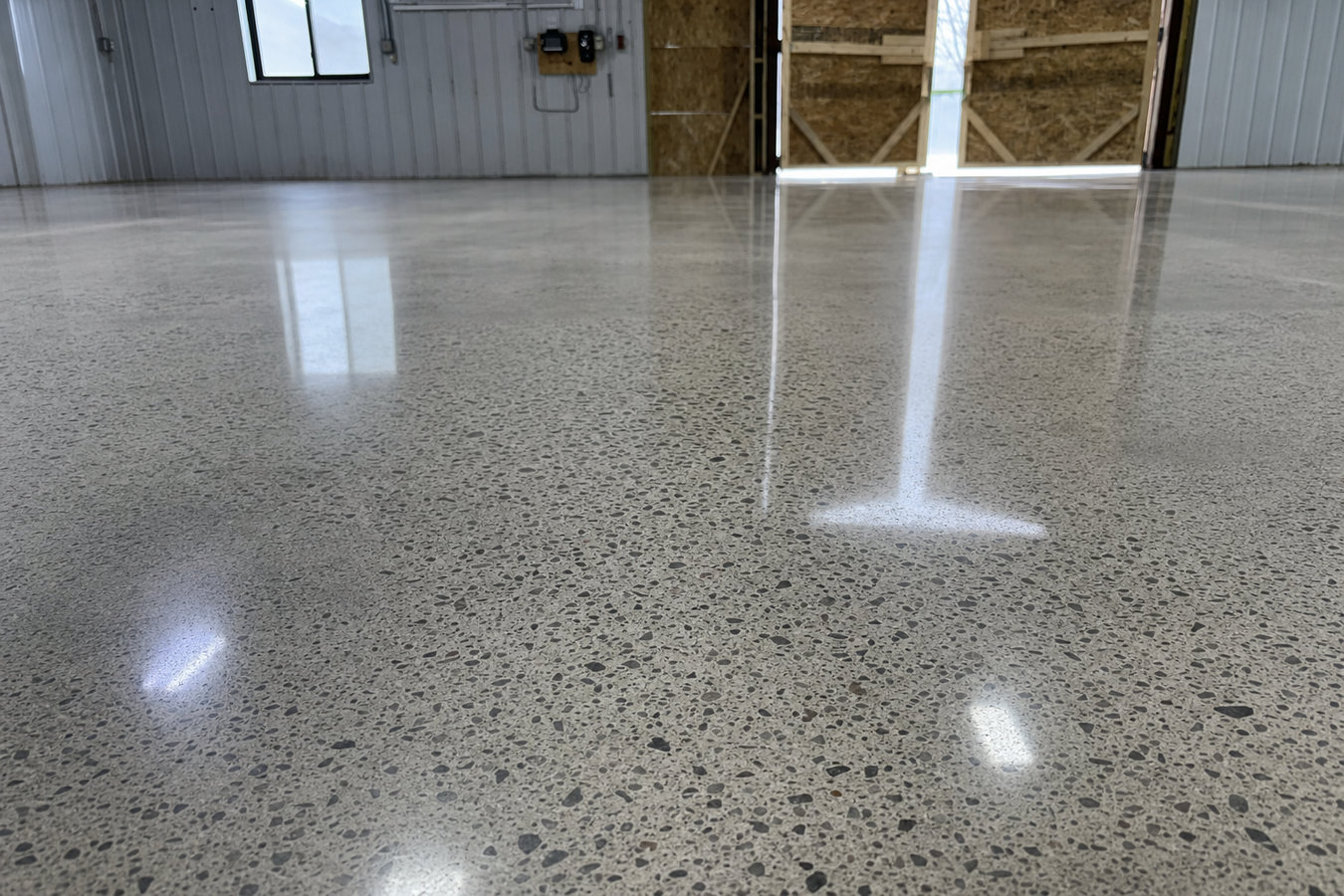
Tyler's heat and clay soil break down unsealed concrete fast. We clean, prep, and seal your driveway or patio so it sheds water, resists stains, and holds up through the seasons.
Tyler's heat and clay soil break down unsealed concrete fast. We clean, prep, and seal your driveway or patio so it sheds water, resists stains, and holds up through the seasons.
Concrete sealing in Tyler, TX puts a thin protective layer on your driveway, patio, or garage floor that keeps water, oil, and stains from soaking in - most standard jobs are completed in a single day, with foot traffic allowed after 24 hours.
Without that protective layer, concrete acts like a sponge. In Tyler, where clay soil shifts with every rain and dry cycle, moisture getting into those small surface cracks accelerates damage that can eventually need structural repair. The good news is that a well-applied sealer is one of the most cost-effective things you can do for a concrete surface - far cheaper than waiting until the damage is done.
If your surface has more going on than just a missing sealer - old coatings, deep stains, or uneven spots - you may need concrete grinding and surface preparation before sealing. And if you are looking to change how the floor looks entirely, our polished concrete flooring service combines surface refinement with built-in protection.
Pour a small cup of water on your driveway or patio. If it soaks in within a minute or two and leaves a dark wet spot, the sealer is gone or was never there. Sealed concrete makes water bead up and roll off. When that stops happening, the surface is unprotected and every rain is working against it.
Tyler's clay soil shifts with every rain and dry spell, and that movement shows up as a web of small cracks across the surface. These cracks are normal in East Texas, but leaving them open lets water in - and once water gets under a slab, the cracks grow. Sealing now, while the cracks are still small, costs far less than waiting until they need structural repair.
Concrete that has lost its sealer develops a gray, powdery look. You might notice a fine white dust on your shoes after walking across it. That dusty layer is the concrete itself breaking down - a sign it needs protection before the surface deterioration goes any deeper.
If you are seeing dark oil spots from a parked car or orange rust stains from lawn equipment, your concrete is absorbing those fluids. In Tyler's heat, oil soaks deeper and faster than in cooler climates. Sealing will not remove existing stains, but it will stop new ones from forming - which makes keeping the surface clean much easier.
Every sealing job starts with a thorough cleaning - pressure-washing the surface and treating oil stains or mildew before a single drop of sealer goes down. Skipping that step traps contaminants under the sealer and produces a result that looks worse than before. We then fill any cracks with a flexible filler suited to Tyler's shifting clay conditions. If the concrete has an old sealer layer that needs to come off first, we handle that stripping step rather than applying on top of a layer that will not bond. If your surface needs more than cleaning - high spots, damaged areas, or old coatings - pair this service with our concrete grinding and surface preparation beforehand for the best result.
The sealer is applied in one or two coats depending on the surface condition and product, using a roller or sprayer for even coverage with no streaks or lap marks. We schedule around the forecast - Tyler averages around 46 inches of rain per year and afternoon thunderstorms arrive fast in spring and summer. Sealer applied to damp concrete or ahead of incoming rain will peel or cloud over. If that means rescheduling, we reschedule. After curing, the finished surface sheds water, resists oil and chemical spills, and for decorative surfaces can also be paired with our polished concrete flooring process for added depth and sheen.
Best for homeowners whose driveway is absorbing water, fading, or developing surface stains from vehicle fluids.
Suited for decorative or plain concrete patios that need protection from sun, moisture, and foot traffic.
Ideal as a follow-up to grinding or as a standalone protective coat on a clean, bare garage slab.
For surfaces where a previous sealer is peeling or clouding - strip the old layer and start fresh for a clean bond.
Addresses hairline and working cracks with flexible filler before sealing so water cannot re-enter at the same points.
Enhances and protects stamped, stained, or polished concrete finishes with a clear coat suited to the surface type.
Tyler sits on expansive clay soil that swells when wet and shrinks when dry. That constant movement puts stress on concrete slabs and causes small cracks to form faster than in areas with stable ground. For homeowners here, sealing is not just cosmetic - it is a real line of defense against water getting into those stress cracks and making them worse over time. Many homes in established areas like the Azalea District and South Tyler have driveways and sidewalks that are 30 to 50 years old. Older concrete is more porous and may have previous sealer layers that need to be stripped before a new coat will bond. In those neighborhoods, the prep work often takes longer - but skipping it means the new sealer will peel within a year.
Tyler regularly sees summer temperatures above 95 degrees, and concrete in direct sun gets significantly hotter than the air around it. That heat breaks down unsealed concrete faster and also means sealer has to be applied during cooler parts of the day - early morning is best - to avoid drying too fast and leaving an uneven finish. In communities like Henderson and other areas we serve in East Texas, the same clay soil and humidity conditions apply. The Portland Cement Association notes that proper surface prep and correct application timing are the two most critical factors in how long a sealer lasts - both of which are especially important in climates like Tyler's.
We ask a few basic questions - what surface you want sealed, roughly how large it is, and whether you have noticed any cracks or staining. We respond within 1 business day and schedule a time to come look at the surface before giving you a firm price. You do not need to prepare anything for this visit.
The visit usually takes 15 to 30 minutes. We check for cracks, old sealer that needs to come off, oil stains, or spots that need patching. We explain what we find in plain terms and give you a written quote that breaks down exactly what is included before you agree to anything.
The crew pressure-washes the surface and treats any stains. The concrete needs to be fully dry before sealer goes down - in Tyler's humidity, that drying time matters, so a morning start is common. Once the surface is ready, the sealer is applied in one or two coats using a roller or sprayer, working in sections for even coverage.
Foot traffic is safe after 24 hours. For vehicles, plan on 48 to 72 hours - and in Tyler's summer heat, lean toward the longer end to avoid tire marks in the curing sealer. Before leaving, we walk the surface with you and tell you when to expect to reseal, so you are not caught off guard in a few years.
We walk the surface with you first. Written price before any work starts. No obligation.
(430) 247-0018Sealer applied ahead of an afternoon thunderstorm will peel or cloud within weeks. We check the forecast before scheduling your job and reschedule if rain is coming within 24 hours of application. It is a small thing that makes a big difference in how long the work holds.
Cleaning, crack filling, and old sealer removal happen before any new product goes down. A rushed job that skips these steps looks worse than before and fails within a season. We itemize the prep in your written quote so you can see exactly what is included.
We come see the surface before quoting anything. The written estimate breaks out what is included - cleaning, crack repair, number of coats, sealer type. If something unexpected turns up, we stop and call you before proceeding. The price you agreed to is the price you pay.
We have sealed driveways and patios across Tyler - from older concrete in South Tyler neighborhoods that has been through decades of clay soil movement to newer slabs in growing areas outside the city. That local experience means fewer surprises on your specific job.
These details determine whether concrete sealing holds up for two to four years or peels after the first heavy rain. We carry general liability insurance and work with sealer products that are appropriate for Tyler's climate. You can verify contractor registration in Texas through the Texas Secretary of State - and we encourage every homeowner to do that check before signing anything with any contractor.
When sealing is not enough and the surface itself needs to be rebuilt, resurfacing covers damaged concrete with a fresh, bondable layer.
Learn MoreFor interior floors where you want protection and a finished look, polishing refines the surface while building in durability.
Learn MoreEvery week without a sealer is another week of moisture and UV exposure doing damage. Schedule your free estimate today and get a written price before anyone starts work.